
01 · The Entrance
The approach sets the tone — porte-cochère, lobby threshold or resort drive. Look at how light and materials meet you before you reach the desk.
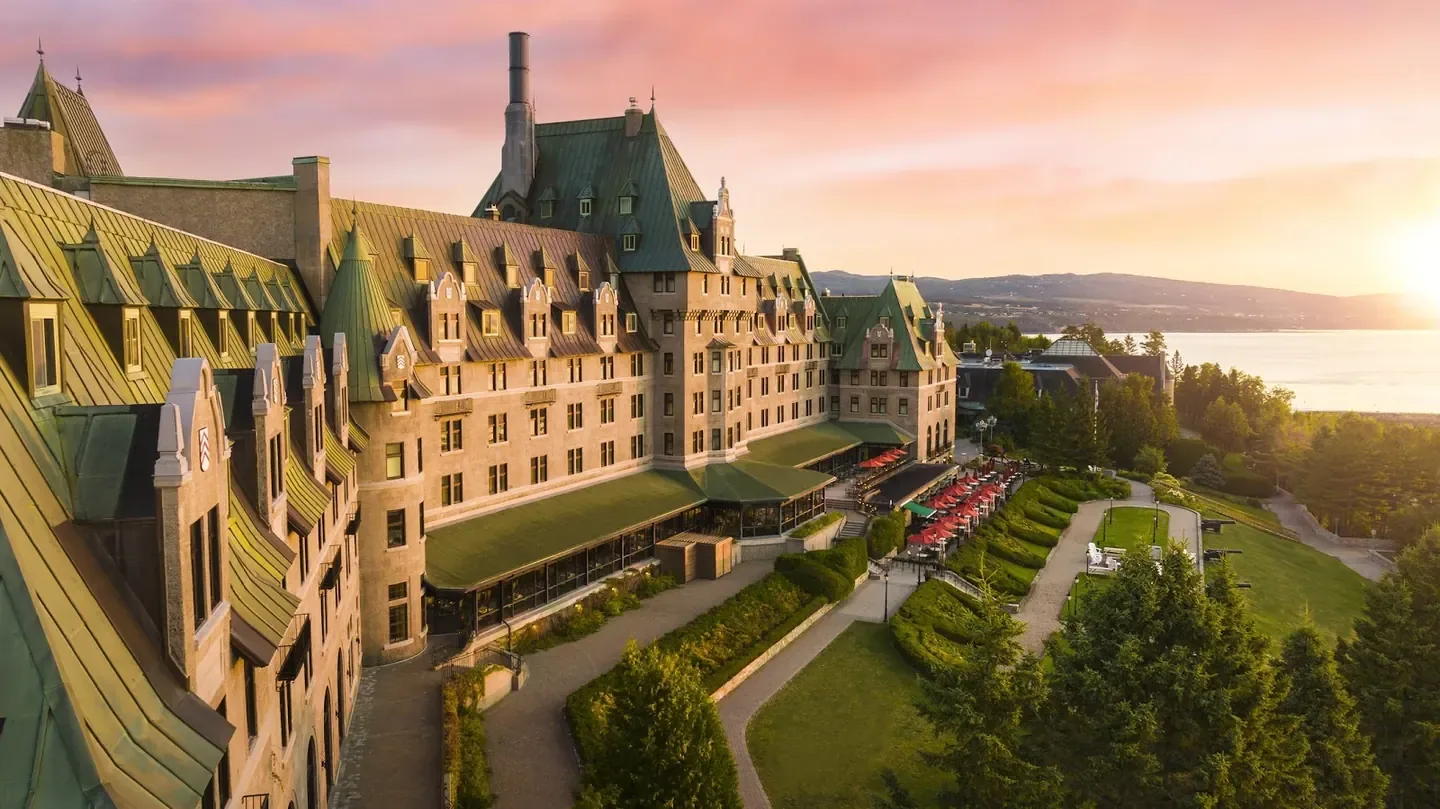
Northern Harbour Villa reads eight hospitality properties through the same careful lens — arrival, rooms, dining, public space and surroundings — then sends you to each official listing for the rest.
Independent and informational. Every property named here is operated by a third party; nothing on this site constitutes a reservation, an offer or an endorsement.
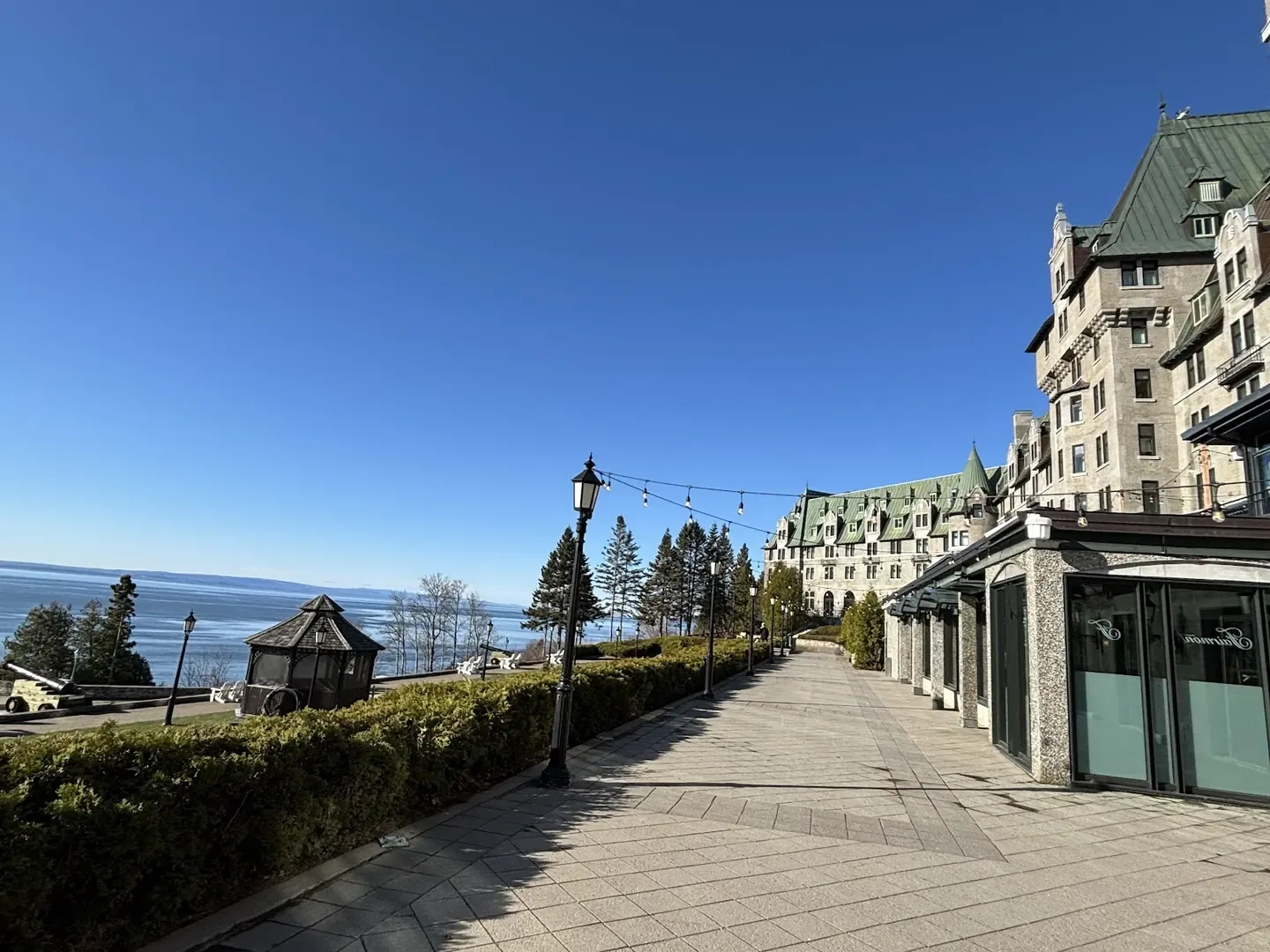
Properties whose architecture or history is the reason to notice them — manor façades, landmark resort shells, and rooms that still carry the weight of place.
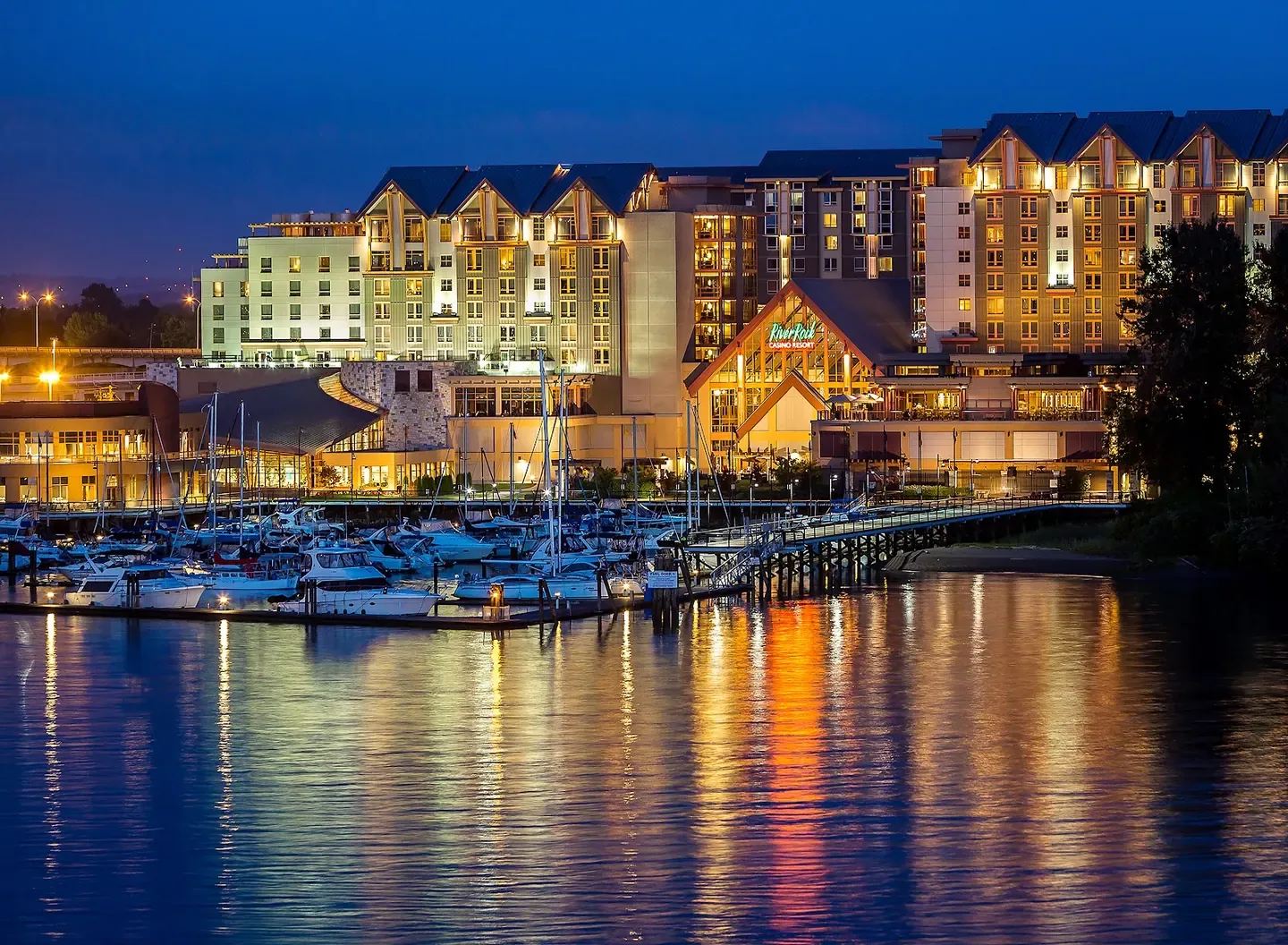
Stays inside or beside a city centre, weighed by what sits within walking distance of the door — downtown towers, airport corridors, and lakefront resorts near civic life.
We do not inventory every amenity on behalf of a property. Instead we note the kinds of provision travellers typically meet when reading an official listing — so you know what to look for there.
A stay often settles in the first stretch after the door. These notes describe the sequence many travellers notice, without promising how any single property stages it.
The approach sets the tone — porte-cochère, lobby threshold or resort drive. Look at how light and materials meet you before you reach the desk.
Check-in is where orientation begins. Staff direction toward rooms, dining and public floors matters more than flourishes at this stage.
The walk to the room is the first private stretch of the stay. Quiet, clear wayfinding and a sense of the building’s scale usually show here.
What the room looks onto — water, city street, countryside or mountain — often decides how the rest of the afternoon feels.
Eight properties across six Canadian provinces and territories of place — from Pacific downtown to St. Lawrence shore.
La Malbaie’s riverside manor country, where historic resort hospitality meets the St. Lawrence shore.
Gatineau’s lakefront edge, close to civic Ottawa yet still reading as a resort waterfront.
A river-facing border city where waterfront hotels sit against the Detroit skyline across the water.
Open prairie countryside around Whitecap, where resort hospitality leans on land rather than skyline.
Countryside casino resorts near Edmonton, and mountain air in the Kananaskis corridor.
Downtown Vancouver towers and Richmond’s waterfront–airport belt, weighed by what is walkable from the door.
Notes about the guide itself — its pace, structure and links — not about any named property.
I stayed with the pages longer than I expected. Nothing pushed me toward a decision, and the lack of pricing noise made the descriptions easier to finish.Daniel F.
Moving from an entry straight to the official listing page felt clean. I knew where the guide stopped and where the property’s own information began.Norman T.
Every property is framed the same way, so nothing feels oversold. The even structure made it simpler to compare settings without marketing heat.Trevor D.
Northern Harbour Villa is written as an observational hospitality guide. Each entry uses the same categories — arrival, rooms, dining, public space and surroundings — so the reader can move between properties without resetting the frame.
We are not a booking desk. We hold no rooms, publish no pricing and rank nothing. When you want details that change day to day, the official listing page remains the authority, and that is where our cards send you.